
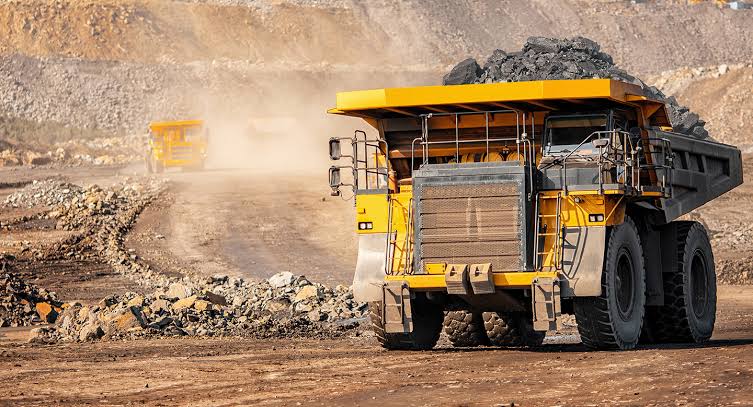
Careers in the South African Mining Sector: Opportunities, Requirements, and How to Apply
The mining sector remains one of the most important contributors to South Africa’s economy. For decades, mining has provided employment to thousands of people across the country, supporting families, communities, and local businesses. Today, the industry continues to evolve, offering a wide range of career opportunities for both skilled professionals and entry-level job seekers.
This article provides a detailed overview of careers in the South African mining sector, including common job roles, qualification requirements, working conditions, and practical guidance on how to apply for mining jobs safely and legitimately.
Overview of the South African Mining Industry
South Africa is globally recognised for its rich mineral resources. The country is a leading producer of platinum, gold, coal, manganese, chrome, and iron ore. Major mining operations are found in provinces such as Limpopo, North West, Mpumalanga, Gauteng, and the Northern Cape.
Mining companies range from large multinational corporations to smaller local operations. Together, they contribute significantly to employment, infrastructure development, and skills training across the country.
Types of Jobs Available in the Mining Sector
The mining industry offers a wide variety of job opportunities suitable for different education and skill levels.
Entry-Level and General Worker Positions
These roles are ideal for job seekers with limited experience. Common positions include:
- General workers
- Cleaners
- Underground assistants
- Surface labourers
- Conveyor belt attendants
Most entry-level positions require basic literacy, physical fitness, and a willingness to work shifts.
Technical and Skilled Positions
Skilled roles usually require formal training, certifications, or previous experience. Examples include:
- Machine operators
- Boilermakers
- Electricians
- Diesel mechanics
- Fitters and turners
These roles often require trade test certificates or recognised technical qualifications.
Administrative and Support Roles
Mining operations also rely heavily on administrative staff to function efficiently. Common roles include:
- HR clerks
- Safety officers
- Data capturers
- Payroll administrators
- Procurement assistants
Administrative positions typically require computer literacy and relevant qualifications or experience.
Professional and Management Careers
For graduates and experienced professionals, mining offers long-term career growth in roles such as:
- Mining engineers
- Geologists
- Environmental officers
- Health and safety managers
- Project managers
These roles require tertiary qualifications and industry experience.
Minimum Requirements to Work in a Mine
While requirements differ depending on the role and company, the following are commonly expected:
- South African ID or valid work permit
- Relevant qualifications or certificates
- Medical fitness certificate
- Criminal record check
- Safety induction training
Some mines also require candidates to complete psychometric or competency assessments before employment.
Working Conditions in the Mining Industry
Mining jobs can be physically demanding and require strict adherence to safety rules. Employees may work:
- Day and night shifts
- Underground or open-cast environments
- Long hours depending on production demands
In return, many mining companies offer competitive salaries, benefits, housing allowances, and medical aid options.
How to Apply for Mining Jobs Safely
Due to high unemployment, job scams are common. To protect yourself:
- Apply only through official company websites or authorised recruitment portals
- Never pay money to secure a job
- Verify contact details before submitting personal information
- Avoid offers that guarantee employment without interviews
Legitimate mining companies do not charge application or processing fees.
Learnerships and Training Opportunities
Many mining companies offer learnerships, internships, and bursaries to help develop skills in the industry. These programmes are designed for:
- Matriculants
- TVET college graduates
- University students
- Unemployed youth
Learnerships usually combine theoretical training with practical workplace experience and may lead to permanent employment.
Career Growth and Development
The mining industry provides strong opportunities for career progression. Employees can upskill through:
- Internal training programmes
- Sponsored studies
- Safety and leadership courses
With dedication and experience, many workers progress from entry-level roles into supervisory or management positions.
The Future of Mining in South Africa
As technology advances, the mining sector is increasingly adopting automation, digital systems, and environmentally responsible practices. This shift is creating demand for new skills while continuing to provide employment opportunities for traditional roles.
Sustainable mining, renewable energy integration, and community development are expected to shape the future of the industry.
Conclusion
A career in the South African mining sector offers stability, growth, and the opportunity to contribute to one of the country’s most vital industries. Whether you are seeking entry-level work, skilled employment, or professional advancement, mining remains a valuable career path for many South Africans.
Staying informed, improving your skills, and applying through legitimate channels can significantly improve your chances of success in the mining job market.